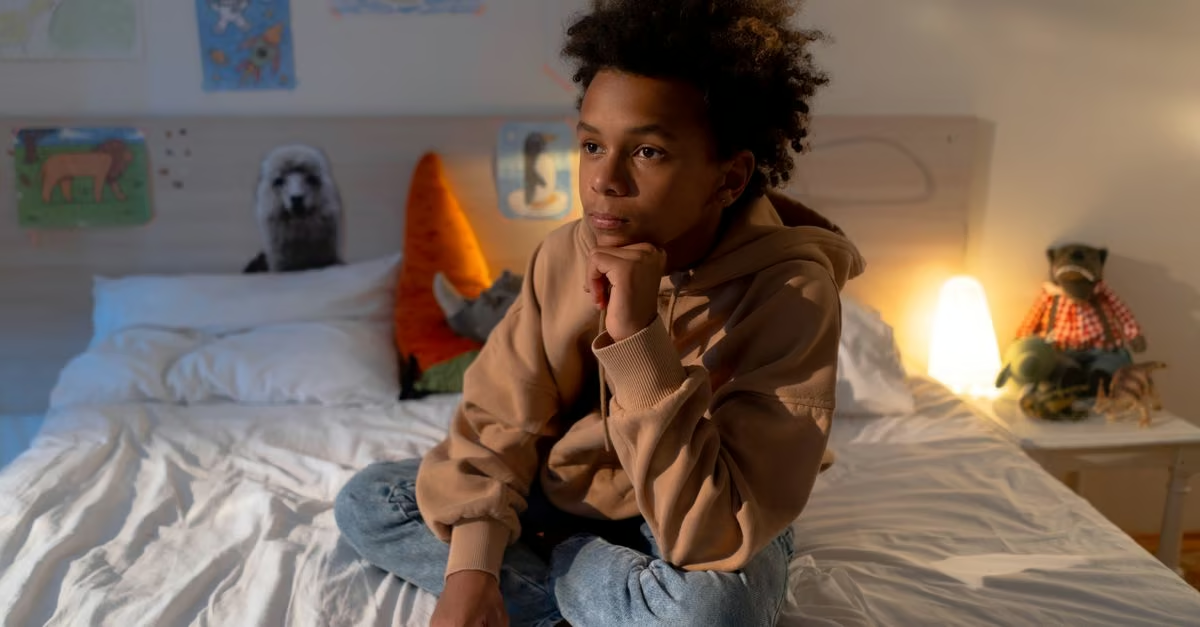


There are roughly 15,000 children in Pennsylvania who are not living with their birth families right now. That number can be hard to hold onto because it is abstract until you try to picture one of them specifically. A nine-year-old in Northumberland County. A teenager from Lycoming. A sibling group split between two placements because no single home had room for all three of them.
When a child enters the foster care system, the best possible outcome is a safe, stable home with a licensed foster family while their case moves forward. But what happens when that home does not exist? When the calls go out and no one is available? The answer is not a good one, and it does not get discussed enough.
The Gap Between Need and Available Homes
Pennsylvania’s foster care shortage is not a paperwork problem or a bureaucratic backlog. It is a human one. There are more children entering the system than there are licensed families ready to receive them. That gap has real consequences that are difficult to reverse once a child experiences them.
When a licensed foster home is not available, children are often placed in congregate care settings, which include group homes and residential facilities. These environments are sometimes necessary and can serve important purposes for children with very high needs. But they were never designed to be a default landing spot for children who simply need a family to take them in. For many kids, especially younger children, placement in a group setting rather than a family home represents a significant loss at a moment when loss is already the defining experience of their lives.
The research on this is consistent. Children in family-based foster care tend to have better outcomes across a range of measures than children in institutional or congregate settings. That includes behavioral health, academic performance, and long-term stability. Pennsylvania’s child welfare policy reflects this, with a strong preference for family-based placement. But policy preferences do not create foster parents. People do.
What a Placement Disruption Actually Looks Like
One of the less visible consequences of the foster care shortage is what happens at school. When a child cannot be placed locally because no family is available in their county or region, they may be placed somewhere far from their neighborhood, which means a new school mid-year, or mid-semester, or mid-week. New teachers who do not know them. New peers. A new bus route. For a child who has just experienced significant trauma, that kind of disruption does not land softly.
FCCY has long recognized how much continuity matters for children in care. Empowering foster children in school requires more than goodwill. It requires stability, and stability starts with placement. A child who is not moved across county lines because a local family was available has a far better chance of staying in their school, keeping their friendships intact, and maintaining even a thin thread of normalcy while their case is being worked.
Siblings are another dimension of this. The preference in Pennsylvania is to place siblings together whenever possible. But when placements are scarce, sibling groups are among the first to be split. Brothers and sisters who have already lost their home environment are then separated from each other, sometimes placed hours apart. That separation carries its own grief, and it adds complexity to every step of the case that follows.
Older Youth and the Specific Urgency of Their Situation
Teenagers in the Pennsylvania foster care system face a particular kind of vulnerability when placements are unavailable. They are harder to place under ordinary circumstances because many prospective foster families gravitate toward younger children. When the overall shortage tightens, older youth feel that pressure acutely.
A teenager who ages out of foster care without a stable placement history, without a consistent adult in their corner, faces enormous odds. The data on youth who age out without permanent connections is sobering. Higher rates of homelessness, unemployment, and involvement in the criminal justice system are all documented outcomes. None of those are inevitable. All of them are more likely when the foster care system simply did not have enough families to offer that young person a home at a critical point.
If you have wondered whether fostering a teenager is something you could actually do, the reality is more manageable than most people assume. Fostering a teenager comes with its own rewards that families who have done it often describe as transformative, not just for the teen but for everyone in the household.
The Concern That Stops Many People From Moving Forward
For every family that has considered foster care and then stepped back, there is usually a reason. Sometimes it is a belief that their house is not big enough, or that their background rules them out, or that they are not equipped to handle what a child in care might bring with them. Some of those concerns are worth examining carefully. Others are based on assumptions that simply are not accurate.
Pennsylvania has specific licensing criteria, and they are not arbitrary. But they are also not as restrictive as many people fear. Understanding what actually disqualifies someone from becoming a foster parent in Pennsylvania is often the first step toward realizing that the door may be more open than expected.
The other concern worth naming directly is about support. Foster parenting is not something you do alone. FCCY has spent decades building a model that surrounds foster families with experienced professionals, not just at the moment of placement but throughout the entire time a child is in their care. That ongoing support structure is not an afterthought. It is central to how FCCY operates, and it is part of why families who foster through FCCY stay licensed and continue taking placements.
Milton and the Surrounding Region Have a Role to Play
FCCY’s Milton office serves families and children across central Pennsylvania. The need in this region is real and ongoing. Children in Northumberland, Union, Snyder, and surrounding counties need local placements. Local placements mean local schools. Local families. Familiar communities. That matters enormously for children who have already been through enough disruption.
You do not need to have fostered before. You do not need a perfect home or a spotless record. What you do need is a genuine willingness to learn, to show up consistently, and to offer a child something they may not have had for a while, which is a safe, steady place to land. FCCY walks families through every step of the licensing process, and the agency’s professionals are available to answer questions before anyone commits to anything.
If you have been sitting with this for a while, knowing that the need is real but uncertain about whether you fit the picture, it may help to look honestly at the signs that someone may be ready to become a foster parent. The answers are sometimes more affirming than people expect.
The Stakes Are Not Abstract
Every statistic in the Pennsylvania foster care system is a child. Every open placement that goes unfilled is a child sleeping somewhere that was not their first choice, or their second. The foster care shortage in Pennsylvania is not a problem that will resolve itself. It resolves one family at a time, one licensed home at a time, one decision at a time.
FCCY has been doing this work for longer than most agencies in the state. The mission is steady. What changes, year over year, is how many families are ready to be part of it.
If you are in the Milton area and want to learn more about becoming a licensed foster parent through FCCY, reach out to the Milton office directly. Someone who knows this community will talk with you, answer your questions honestly, and help you figure out whether this is the right step for your family.