

6 Reasons Foster Parenting a Teenager Is One of the Most Rewarding Decisions You Can Make
When people think about becoming foster parents, they often picture younger children. Teenagers, on the other hand, tend to get passed over. Many prospective foster parents hesitate, unsure of what to expect or whether they have what it takes to connect with an older youth. But here is something worth considering: across Pennsylvania, approximately 15,000 children are not living with their birth families right now, and teenagers represent some of the most in-need and most overlooked members of that group.
If you have been thinking about foster parenting a teenager in Pennsylvania, this post is for you. The hesitation is understandable. The rewards, however, are profound and lasting in ways that may surprise you.
Why Older Youth Get Left Behind
The reality of fostering older youth in Pennsylvania is that teenagers often wait far longer for placement than younger children. Some have been in the system for years. They have lived through instability, loss, and uncertainty, and many have developed a protective shell as a result. That guarded exterior can feel intimidating to prospective foster parents, but it is not a sign that connection is impossible. It is a sign that the young person in front of you has been waiting for someone willing to stay.
Understanding that dynamic changes everything. If you are wondering whether you might be ready to take that step, exploring 7 Signs You May Be Ready to Become a Foster Parent is a helpful place to start.
6 Reasons to Open Your Home to a Teenager
1. You Will See Real, Visible Growth
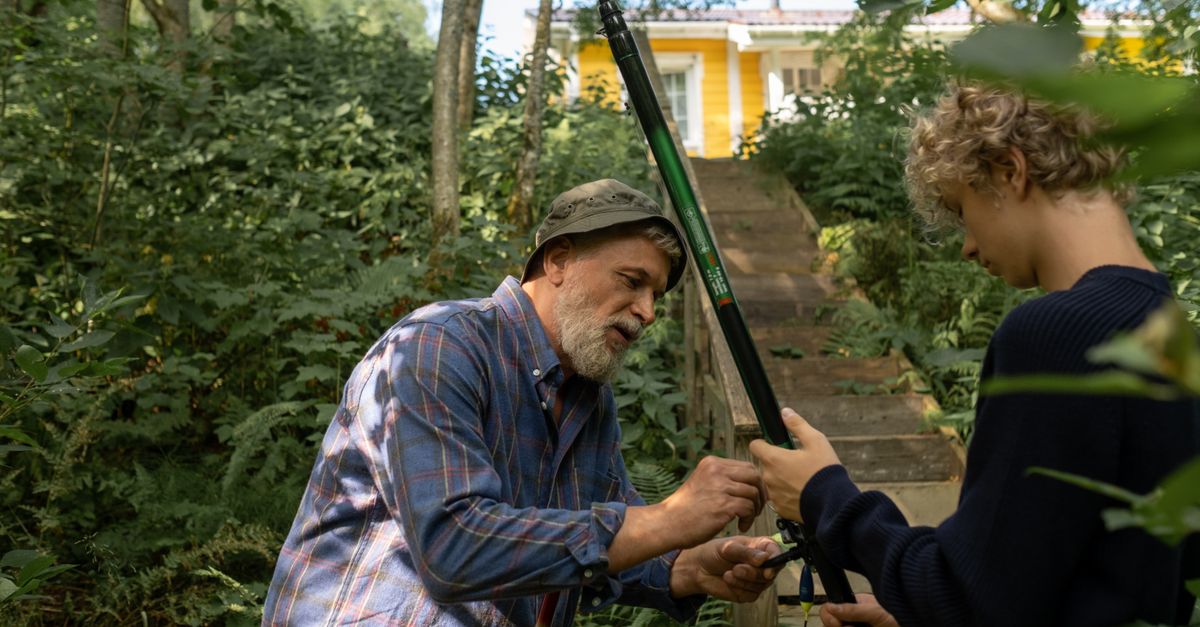
One of the most meaningful aspects of fostering older youth is that you get to witness transformation in a way that is immediate and tangible. Teenagers can articulate their experiences, reflect on their progress, and tell you directly what your support means to them. When a teen in your care graduates high school, lands their first job, or simply opens up about something difficult for the first time, you are there for it. That kind of impact is something you carry with you for the rest of your life.
2. The Relationship Is More Collaborative
Parenting a teenager, whether biological or foster, involves a different kind of relationship than parenting a young child. Teenagers bring opinions, humor, preferences, and personality to the table. When you foster a teen, you are not just providing care. You are building something that looks more like a genuine partnership. You learn from each other. You problem-solve together. You share meals and conversations and small moments that add up to something real.
That relational dynamic can be especially powerful for foster families who already have older children at home. If you have biological children and are thinking about how this transition might work, How to Talk to Your Biological Children About Foster Care offers practical guidance on navigating those conversations with honesty and care.
3. You Are Addressing One of the Most Urgent Needs in Pennsylvania
The need for foster parents across Pennsylvania is significant, and the gap widens considerably when it comes to teens. Older youth are statistically less likely to be placed, less likely to be adopted, and more likely to age out of the system without a permanent family connection. When you choose to foster a teenager, you are directly responding to one of the most pressing gaps in the state’s child welfare system.
For broader context on just how critical the need is across the Commonwealth, Why Pennsylvania Still Needs More Foster Parents outlines the scope of the challenge and why families like yours matter so much right now.
4. Teenagers Can Thrive With the Right Support Structure
A common concern among prospective foster parents is that teenagers who have experienced trauma are too difficult to support at home. This reflects a widespread misconception, not a reality. With the right tools, training, and a trauma-informed approach, many teens in foster care make remarkable progress when placed in a stable, compassionate environment.
Family Care for Children and Youth provides foster parents with the training, resources, and ongoing support needed to create that kind of home. As one of Pennsylvania’s most experienced foster care agencies, FCCY brings decades of expertise in specialized, community-based care, and that support system extends to every family they work with. Learning how to build a home environment that meets a teenager where they are is part of the process, and How to Create a Trauma-Informed Home for Foster Children is a valuable resource for families preparing for that journey.
5. You May Be the First Stable Adult in Their Life
For some teenagers in foster care, consistent and trustworthy adult relationships have been rare or entirely absent. When you show up reliably, follow through on what you say, and create an environment where they feel safe, you are doing something that may be entirely new for that young person. That experience of stability, even if it lasts only for a season, can reshape how a teenager understands relationships, trust, and their own worth.
The research is clear: young people who have at least one stable, caring adult in their lives are significantly more likely to reach healthy adulthood. As a foster parent, you have the opportunity to be that person.
6. The Connection Does Not Have to End at 18
One of the most hopeful truths about fostering older youth is that the relationship you build does not simply close when a teenager ages out of the system. Many foster families maintain lifelong connections with the teens they cared for. Some become a source of support during college, a first apartment, a new job, or the kinds of transitions that every young adult navigates more easily with a family behind them.
Pennsylvania’s independent living programs are designed to help older youth make that transition, and FCCY’s services include support specifically aimed at building those bridges. The story does not end at 18. For many teens, it is just beginning.
Addressing the Hesitation Honestly
It would be dishonest to suggest that teen foster care comes without challenges. Teenagers who have experienced trauma may test boundaries, struggle with trust, or process emotions in ways that require patience and consistency. Some of those moments will be hard. But the families who have walked this road consistently describe those same challenges as the experiences that led to the most meaningful growth, both for the teen and for themselves.
FCCY’s compassionate and culturally competent team is with you at every stage, from your first inquiry through placement and beyond. You are not doing this alone.
Ready to Learn More About Fostering Older Youth in Pennsylvania
If this post has stirred something in you, that feeling is worth following. Teenagers across Pennsylvania are waiting for families who are willing to see past the stereotype and step into something genuinely life-changing. Family Care for Children and Youth serves families throughout the Milton area and across Pennsylvania, and their experienced team is here to answer your questions, walk you through the process, and support you every step of the way.
Contact Family Care for Children and Youth today to learn more about becoming a foster parent to a teenager in Pennsylvania. Your decision could be the turning point in a young person’s story.