
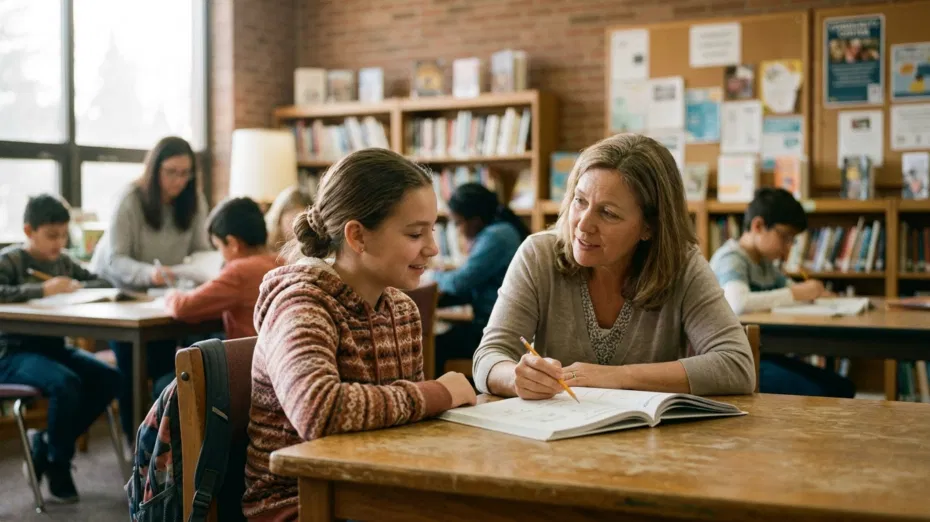


Foster children face unique challenges that can impact their educational journey. With frequent moves, emotional upheaval, and a lack of consistent support systems, these young individuals often struggle to keep up academically. However, as a community, we have the power to make a difference in their lives by providing stability and encouragement within the school environment.
Understanding Their Needs
First and foremost, it’s crucial to recognize the specific needs of foster children. They might require additional academic support due to gaps in learning from moving between schools or need counseling services to address emotional distress. Understanding these factors is essential for educators and administrators who are on the front lines of fostering an inclusive atmosphere.
Creating Supportive Networks
Schools can establish mentoring programs pairing foster children with supportive adults or peers who provide guidance and companionship. These relationships offer stability and help build trust; an invaluable resource for students facing uncertainty at home.
Additionally, schools should ensure access to mental health resources such as counselors familiar with trauma-informed care approaches tailored specifically for foster youth.
Engaging Families and Caregivers
Involving foster families or caregivers in school activities helps create continuity between home life and education. Regular communication through meetings or digital platforms ensures everyone is informed about the child’s progress while addressing any concerns collaboratively.
Community Involvement
Local communities play a vital role too. Businesses can sponsor scholarships or provide supplies like backpacks filled with essentials at back-to-school events designed specifically for foster kids. Volunteers can host tutoring sessions after school hours focusing on subjects where students may need extra help.