

When you decide to become a foster family, you are not the only one making that decision. Your biological children are too, even if they never signed anything. How you bring them into the conversation matters more than most parents realize.
Children are perceptive. They pick up on tension, changes in routine, and shifts in your attention far before you say a word. Starting the conversation early, honestly, and at a level they can understand will help them feel like participants rather than bystanders in a major family change.
Start the conversation before a child arrives
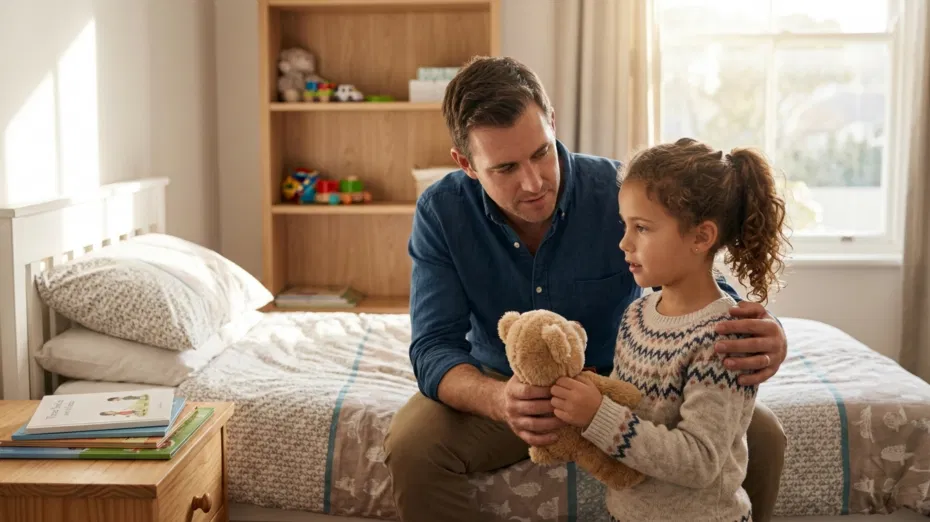
Do not wait until a placement is days away to explain what foster care means. Give your children time to ask questions, process their feelings, and get used to the idea. Use simple, age-appropriate language. For younger children, something like “A child is going to stay with us for a while because their family needs some help right now” is usually enough to start. Older children can handle more nuance and will likely have sharper questions about why children enter care.
Answer what you can honestly, and be comfortable saying “I don’t know yet” for the rest. What matters most in these early conversations is that your child feels heard, not that you have every answer mapped out.
Practical tip: Read age-appropriate books about foster care together before a placement begins. Stories help children build empathy and give them language for feelings they have not experienced yet.
Address jealousy and fairness directly
Your biological children may feel pushed aside when a new child arrives, especially if that child has higher needs or requires more of your time and energy. This is normal, and pretending it will not happen sets everyone up for frustration.
Name it before it becomes a problem. Let your children know that things may feel uneven sometimes, and that uneven is not the same as unfair. A child who has experienced trauma may need more support right now, just like a family member recovering from surgery needs extra care for a season. Reassure your children that your love for them is not a limited resource that gets divided when someone new arrives.
Carve out one-on-one time with each of your biological children during a placement. Even thirty minutes of dedicated attention can go a long way toward helping a child feel secure and valued.
Teach them what to say and what not to say
Children talk. At school, at sports practice, and at birthday parties, your child will inevitably be asked about the new kid at home. Help them practice a simple, respectful response: “A child is staying with us for a while.” Coach them to protect the foster child’s privacy without making secrecy feel shameful. Remind them that the foster child’s story is not theirs to share.
Remember: Your biological children have the capacity to become some of the most important people in a foster child’s life. With the right preparation and ongoing conversation, they will not just tolerate this journey. They will grow through it.