
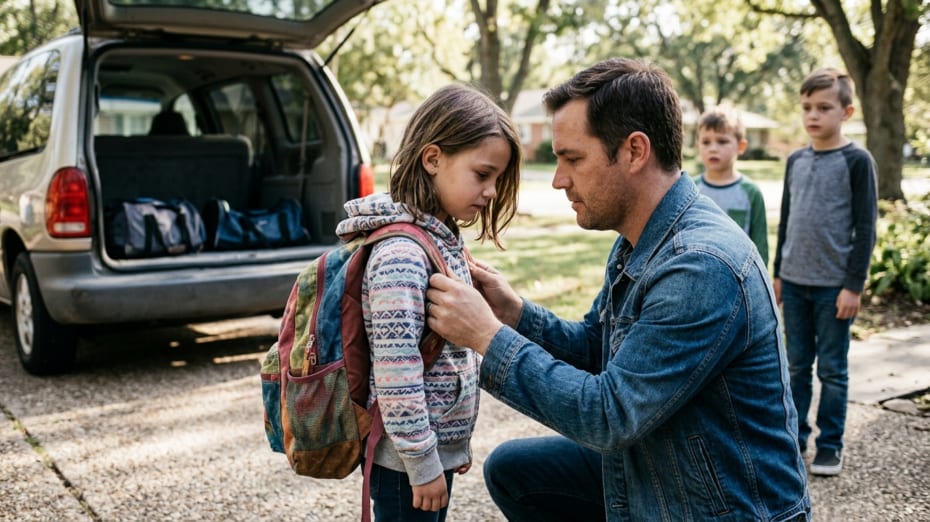


One of the hardest moments in foster care — and how to handle it with grace
Reunification is the goal. From the moment a child enters your home, the foster care system is working toward returning them to their biological family. Knowing that intellectually is one thing. Living through the goodbye is another.
When the day finally comes, it rarely feels simple. There is joy that a family is being restored, grief that a child you have loved is leaving, and a complicated mix of worry, relief, and loss that no one quite prepares you for. Supporting a foster child through this transition is one of the most important things you can do as a foster parent, and it begins long before moving day arrives.
Start preparing early
Reunification rarely happens overnight. Caseworkers typically follow a gradual process, with increasing visits and overnight stays before a full return home. Use this time intentionally. Talk openly with the child about the transition in age-appropriate ways. Avoid language that frames leaving as abandonment or as a reward. Keep your tone steady and hopeful, even when your heart feels otherwise.
Children take emotional cues from the adults around them. If you are visibly devastated, a child may feel guilty for going home to their family. If you are falsely cheerful, they will sense the dishonesty. Aim for honest warmth: “We’re going to miss you so much, and we’re really happy you get to be with your mom again.”
Practical tip: Create a small memory book with photos, drawings, and notes from their time in your home. It gives the child something tangible to carry with them and signals that their time with you mattered.
Support the biological children in your home
Siblings and biological children who have shared their home with a foster child experience loss too. They may not have language for what they are feeling, and they may act out in the days after a child leaves. Make space for their grief without minimizing it. Let them know it is okay to feel sad, and that missing someone is a sign of love.
Depending on the circumstances, maintaining some contact with the child after reunification can help everyone adjust. Speak with the caseworker about what, if any, ongoing connection is appropriate and safe.
Take care of yourself after the goodbye
Foster parents are often expected to simply move on. The system has a next placement waiting, and there is an unspoken pressure to be fine. You are allowed to grieve. The love you gave was real, and the loss is real too.
Connect with other foster families who understand the specific texture of this grief. Give yourself time before accepting another placement if you need it. Rest is not weakness. It is what allows you to keep showing up for the next child who needs you.
A final thought
The goodbye does not erase what you built. Every moment of stability, every calm meal, every bedtime routine you gave that child becomes part of who they are. Reunification is not a ending to your story together. It is simply where your chapter closes and theirs continues.