


Creating a trauma-informed home is one of the most powerful ways you can support a foster child. Children in foster care often come from difficult and unpredictable environments, so your home has the opportunity to become a place where they finally feel safe, seen, and valued.
At the core of a trauma-informed home is understanding. Trauma impacts how children think, feel, and respond to the world around them. What may seem like an overreaction or challenging behavior is often the result of past experiences. When you begin to see behavior as communication, your approach shifts from discipline to support.
Safety is the first priority. This means both physical and emotional safety. Simple things like maintaining a calm tone, keeping routines predictable, and clearly explaining expectations can help children feel more secure. Knowing what comes next in their day can reduce anxiety and build trust.
Consistency is another key element. Many foster children have experienced instability, so having reliable routines and responses helps them understand that your home is different. When you respond calmly and consistently, even during difficult moments, it reinforces that they are in a safe environment.
Connection should come before correction. Before addressing behavior, focus on building a relationship. This might look like spending one-on-one time together, listening without interrupting, or simply being present. When children feel connected to you, they are more likely to respond positively to guidance.
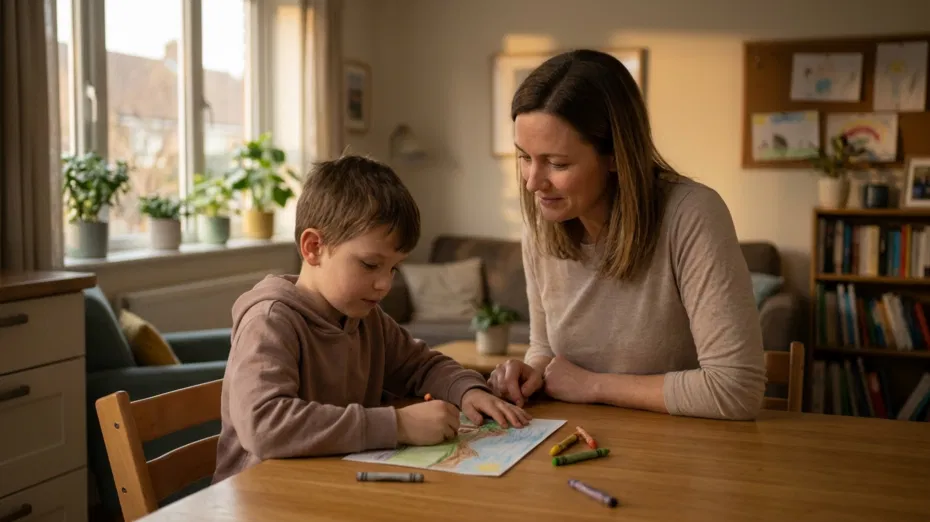
It’s also important to create space for emotions. Foster children may not have had healthy outlets for their feelings in the past. Encouraging them to express themselves, whether through talking, drawing, or other activities, can help them process what they’ve been through. Let them know that all feelings are valid, even if certain behaviors are not.
Another important piece is creating a sense of belonging. Small gestures like letting the child choose a meal, decorate part of their room, or pick a family activity can help them feel included and valued. These moments communicate that they are not just staying in your home, but that they matter there.
Flexibility plays a big role as well. What works for one child may not work for another. Being willing to adjust your approach based on their needs shows that you are paying attention and that you care.
Finally, don’t forget to take care of yourself. Supporting a child through trauma can be emotionally demanding. Seeking support, continuing to learn, and giving yourself grace will help you stay strong and present.
A trauma-informed home doesn’t have to be perfect; it just has to be intentional. By leading with empathy, consistency, and connection, you create an environment where healing can begin.